


Introduction
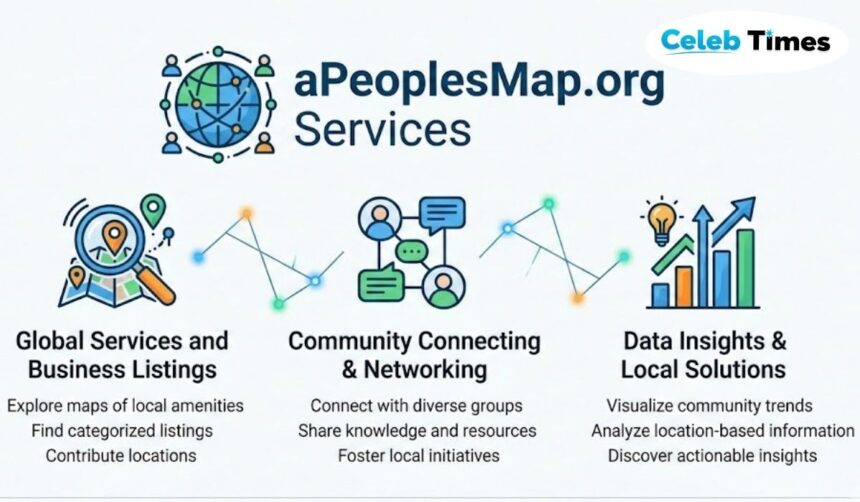
In an era where digital landscapes often feel detached from human experience, the emergence of community-centric platforms has redefined how we interact with data. This article explores the multifaceted world of apeoplesmap.org services, a suite of tools designed to bridge the gap between abstract geographical information and the tangible needs of local populations. By prioritizing accessibility and collaborative input, this platform transforms traditional cartography into a living, breathing archive of human presence and communal progress.
- Introduction
- Enhancing Community Visibility
- Streamlining Collaborative Data Collection
- Supporting Humanitarian and Advocacy Efforts
- Facilitating Environmental Stewardship
- Bridging the Digital Literacy Gap
- Fostering Economic Empowerment
- Advancing Research and Academic Inquiry
- Summary of Platform Capabilities
- FAQs
- How can someone contribute to the platform?
- Is the data provided through these services secure?
- Can organizations use this data for their own projects?
- Are there costs associated with using the basic mapping tools?
- Conclusion
The shift toward grassroots information systems signifies a departure from top-down data management. Instead of relying solely on institutional metrics, users are empowered to contribute their own perspectives, ensuring that the resulting maps reflect the true heart of a region. Throughout this discussion, we will examine the various ways these offerings support advocacy, environmental monitoring, and social equity, providing a comprehensive look at how digital tools can foster a more inclusive and well-documented world.
Enhancing Community Visibility
The primary goal of modern spatial platforms is to give a voice to those who are often overlooked in mainstream data sets. By allowing for the granular documentation of neighborhoods, local landmarks, and cultural hubs, these systems ensure that the unique character of a place is preserved. This visibility is crucial for marginalized groups who may find their history or needs excluded from government-issued maps. When residents have the power to define their own space, they create a stronger sense of belonging and agency.
Furthermore, this level of detail serves as a vital resource for urban planners and social workers. When the nuances of a community are clearly visible, it becomes easier to identify gaps in infrastructure or public services. The ability to overlay personal narratives with physical locations provides a rich context that traditional coordinates simply cannot offer. This approach fosters a more empathetic understanding of the environment, turning a simple grid of lines and dots into a vibrant tapestry of shared experiences and collective memory.
Streamlining Collaborative Data Collection
The strength of any participatory platform lies in the ease with which users can contribute and verify information. Streamlined interfaces allow individuals from various backgrounds, regardless of their technical expertise, to submit data points that matter to them. This democratization of data collection means that updates happen in real-time, reflecting the current state of a locality far more accurately than static, professional surveys. It creates a feedback loop where the community constantly refines and improves its own digital representation.
Accuracy is maintained through peer-to-peer verification and transparent editing processes. This collective oversight ensures that the information remains reliable and relevant. For non-profit organizations and local organizers, this means having access to a treasure trove of verified data without the prohibitive costs of hiring professional surveying teams. By leveraging the power of the crowd, these tools make it possible to map vast areas with a level of intimacy and speed that was previously unimaginable, proving that collective intelligence is a formidable force in the digital age.
Supporting Humanitarian and Advocacy Efforts
In times of crisis or social change, the ability to rapidly deploy geographical tools is indispensable. Advocacy groups use these resources to track shifts in demographics, monitor the impact of policy changes, and highlight areas requiring urgent intervention. During natural disasters, the ability to mark safe zones or identify damaged infrastructure can be a matter of life and death. These platforms provide a flexible framework that can be adapted to various urgent needs, making them a cornerstone of modern humanitarian response.
Beyond immediate crises, these tools support long-term advocacy by providing empirical evidence for social issues. For instance, mapping the proximity of industrial zones to residential areas can provide the necessary data to fight for environmental justice. By visualizing inequalities, activists can present a compelling case to stakeholders and the public alike. The intersection of technology and social purpose creates a powerful medium for storytelling, where every data point serves as a piece of evidence in the pursuit of a more equitable society.
Facilitating Environmental Stewardship
Preserving our natural world requires a detailed understanding of local ecosystems and the pressures they face. Spatial tools allow environmentalists to track changes in land use, monitor deforestation, and document the health of local waterways. Because these platforms are community-driven, they can capture micro-level changes—such as a specific patch of woodland being cleared or a local stream showing signs of pollution—that might be missed by satellite imagery alone. This localized focus is essential for effective conservation efforts.
Engaging local populations in environmental mapping also fosters a deeper connection to the land. When people are actively involved in monitoring their surroundings, they are more likely to take an active role in protecting them. This collaborative approach turns residents into citizen scientists, contributing valuable observations that can inform larger conservation strategies. By combining local wisdom with digital precision, these tools empower communities to defend their natural heritage and advocate for sustainable development practices that respect the delicate balance of the planet.
Bridging the Digital Literacy Gap
One of the most significant challenges in the tech world is ensuring that tools are accessible to everyone, not just those with advanced digital skills. Modern mapping services prioritize intuitive design and simplified workflows to encourage broad participation. This focus on user experience is a deliberate effort to include older generations, rural populations, and those with limited access to high-speed internet. By breaking down technical barriers, these platforms ensure that the digital divide does not result in a data divide.
Educational initiatives often accompany these tools, providing training and resources to help users maximize their impact. These programs teach individuals how to collect data ethically, understand the privacy implications of their contributions, and use the platform to achieve their specific goals. As more people become proficient in using these digital tools, the overall quality and depth of the available information increase. This empowerment through education is a vital component of building a more connected and informed global community.
Fostering Economic Empowerment
Local economies thrive when businesses and services are easily discoverable. By providing a platform for small-scale entrepreneurs and artisans to list their locations and offerings, digital maps can stimulate economic growth in underserved areas. This is particularly important for informal economies where traditional advertising might be out of reach. When a local market or a small workshop is placed on the map, it gains access to a wider customer base and becomes a recognized part of the regional economic landscape.
Moreover, the data generated by these platforms can help local governments and investors identify opportunities for economic development. Seeing where businesses are clustered or identifying areas with high foot traffic can inform decisions about transportation improvements or the placement of new commercial centers. This data-driven approach to economic planning ensures that investments are made where they are most needed and where they will have the greatest impact. In this way, digital cartography serves as a catalyst for sustainable local development.
Advancing Research and Academic Inquiry
For researchers and academics, the availability of community-sourced data provides a unique opportunity to study social patterns and geographical trends. Unlike traditional datasets, which can be rigid and infrequent, the data from these platforms is dynamic and reflects the lived reality of the contributors. Sociologists, urban historians, and geographers can use this information to track how cities evolve, how communities interact with their environment, and how cultural landmarks shift over time.
This wealth of information also supports interdisciplinary studies, allowing researchers to combine geographical data with other metrics like health outcomes or education levels. The transparency of the platform allows for a high level of academic rigor, as the source of the data is clear and often verifiable by others. By providing a bridge between the academic world and the real-world experiences of individuals, these mapping tools contribute to a more holistic and accurate understanding of our world, driving innovation in research and policy-making.
Summary of Platform Capabilities
| Service Feature | Target Audience | Primary Benefit |
| Interactive Mapping | Local Communities | Increased visibility and representation |
| Data Integration | Non-profit Organizations | Evidence-based advocacy and planning |
| Crisis Monitoring | Humanitarian Aid Groups | Rapid response and safety coordination |
| Environmental Tracking | Conservationists | Micro-level ecosystem monitoring |
| User Education | General Public | Improved digital literacy and agency |
FAQs
How can someone contribute to the platform?
Most community mapping platforms allow users to create an account and pin locations, add descriptions, or upload photos of relevant sites directly through a mobile app or web browser.
Is the data provided through these services secure?
Privacy is typically a priority, with options to anonymize contributions or restrict sensitive information to specific groups to ensure that vulnerable populations remain protected.
Can organizations use this data for their own projects?
Yes, many of these platforms offer API access or data exports that allow researchers and non-profits to integrate the community-sourced information into their own internal systems.
Are there costs associated with using the basic mapping tools?
Many grassroots platforms offer their core mapping and data entry services for free to ensure maximum accessibility for individuals and small community groups.
Conclusion
The evolution of apeoplesmap.org services represents a significant milestone in the democratization of information. By putting the power of cartography into the hands of the people, these tools have transformed how we perceive and interact with our physical world. No longer are maps merely static documents created by distant authorities; they are now dynamic, inclusive reflections of our collective identity and shared aspirations. This shift has profound implications for social justice, environmental protection, and economic development, as it ensures that every community has the means to define its own space and tell its own story.
As we look toward the future, the continued growth of these collaborative platforms will be essential for navigating an increasingly complex world. The ability to visualize challenges and opportunities in real-time allows for more agile and effective responses to the pressing issues of our time. Whether it is through supporting local businesses, protecting a neighborhood forest, or coordinating disaster relief, the impact of these services is felt globally. By fostering a culture of transparency and participation, we are building a more connected and resilient society where every voice is heard and every place is accounted for on the digital map of human progress.