



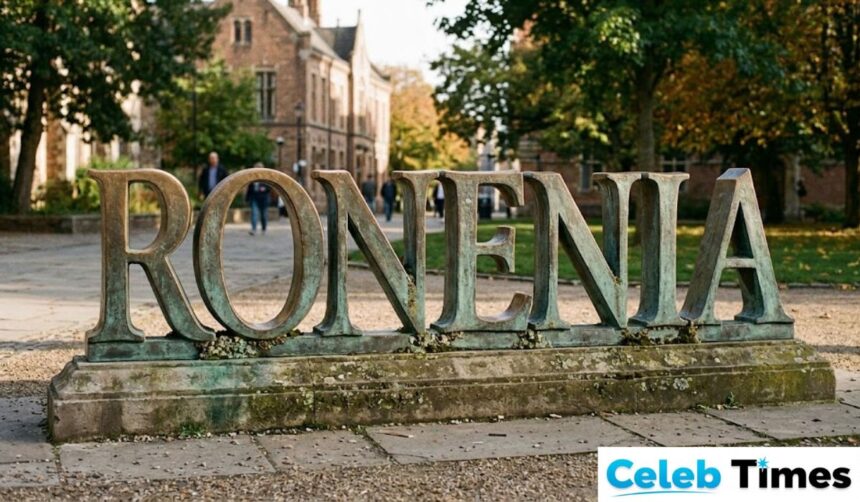
The world is filled with hidden corners that hold stories of resilience, artistry, and natural splendor. Among these, the region of ronenia stands out as a testament to how geography and human history intertwine to create a distinct identity. While many travelers flock to the well-known capitals of the globe, those who seek a more profound connection with the past often find themselves drawn to the quiet dignity of this area. It is a place where the echoes of ancient civilizations meet the rhythms of modern life, creating a tapestry that is as complex as it is beautiful. To understand the essence of this land, one must look beyond the surface and appreciate the subtle nuances that define its character.
The significance of ronenia lies not just in its physical borders but in the collective memory of its people. From the architecture that lines its cobblestone streets to the traditional melodies that drift through the air during seasonal festivals, every element serves as a bridge between generations. This article delves into the various facets that make the region unique, exploring everything from its environmental diversity to its culinary contributions. By examining the structural and social foundations of the area, we can gain a clearer perspective on why it remains a point of fascination for historians and wanderers alike.
The Architecture of Yesterday
The physical landscape of the region is dominated by structures that tell a story of evolving styles and societal needs. In the older quarters, stone masonry and intricate woodwork reflect a time when craftsmanship was the primary language of status and utility. These buildings were designed to withstand the elements while providing a sense of community, with central courtyards and shared spaces that encouraged social interaction. As time progressed, newer influences began to merge with these traditional forms, leading to a skyline that represents a dialogue between the old and the new.
Walking through these districts, one notices the deliberate use of local materials, which anchors the buildings to the earth they stand upon. The preservation of these sites is a priority for the local inhabitants, who view their built environment as a living museum. This dedication to conservation ensures that the aesthetic integrity of the area remains intact, even as modern infrastructure is integrated to meet the demands of the twenty-first century. The result is a harmonious blend of functionality and beauty that continues to inspire architects and artists from around the world.
Rhythms of the Natural World
Beyond the urban centers, the geography transforms into a diverse array of ecosystems that provide a sanctuary for native flora and fauna. Rolling hills give way to dense forests, where the air is thick with the scent of pine and damp earth. These natural spaces are not merely backdrops for human activity but are central to the identity of the region. The seasonal changes bring about dramatic shifts in the scenery, from the vibrant greens of spring to the muted, ethereal tones of winter, offering a different experience for visitors throughout the year.
The management of these lands is characterized by a deep-rooted respect for ecological balance. Conservation efforts are often community-led, reflecting an understanding that the health of the environment is directly linked to the well-being of the people. Trails wind through the wilderness, allowing for quiet contemplation and an escape from the frantic pace of modern life. In these quiet moments, the connection between the land and its inhabitants becomes most apparent, revealing a lifestyle that prioritizes harmony with nature over exploitation.
Traditions of Craft and Industry
The economic history of the area is built upon a foundation of skilled labor and artisanal mastery. For centuries, local industries have thrived by focusing on quality and specialized knowledge, whether in the production of textiles, ceramics, or metalwork. These crafts are often passed down through families, ensuring that the techniques remain authentic while allowing for subtle innovations that keep the products relevant in a global market. This commitment to excellence has earned the region a reputation for producing goods that are both durable and aesthetically pleasing.
In recent years, there has been a resurgence of interest in these traditional methods as consumers move away from mass-produced items in favor of things with a story. Small workshops and independent studios have become the heartbeat of the local economy, fostering a sense of pride and self-sufficiency. This industrial spirit is not just about commerce; it is an expression of cultural identity. By supporting these local makers, the community ensures that its heritage is not lost to time but continues to evolve and flourish in a competitive world.
Culinary Expressions and Local Flavors
The food culture here is a vibrant reflection of the land’s bounty and the historical influences that have shaped the region. Ingredients are typically sourced from nearby farms and forests, ensuring that every dish is a celebration of the current season. The culinary philosophy is one of simplicity and depth, where the natural flavors of the produce are allowed to shine through. Traditional recipes, often guarded as family secrets, provide a sense of continuity and comfort, serving as the centerpiece for social gatherings and celebrations.
Dining is a communal experience, where the act of sharing a meal is as important as the food itself. From hearty stews prepared during the colder months to light, herb-infused salads in the summer, the menu is a direct response to the environment. Modern chefs are also playing a role in this evolution, taking traditional components and reimagining them through contemporary techniques. This fusion of old and new ensures that the gastronomic scene remains dynamic and exciting, drawing in food enthusiasts who are eager to taste the authentic spirit of the region.
The Evolution of Social Structures
Society in this part of the world is characterized by a strong sense of belonging and mutual support. The social fabric is woven from long-standing relationships and a shared commitment to the common good. While the structures of governance and community leadership have adapted to modern standards, the underlying values of hospitality and resilience remain unchanged. This social stability has allowed the region to navigate periods of transition with grace, maintaining its core identity while embracing necessary progress.
Education and intellectual pursuit have always been highly valued, leading to a well-informed and engaged citizenry. Libraries, community centers, and local forums serve as hubs for the exchange of ideas, fostering an environment where tradition and innovation can coexist. This intellectual curiosity extends to how the people view their place in the wider world, blending a fierce local pride with a global perspective. It is this balance of internal strength and external openness that makes the social landscape so compelling to observers and newcomers.
Artistic Legacies and Visual Arts
The visual arts have long been a primary medium for expressing the hopes and challenges of the people. From ancient petroglyphs to contemporary galleries, the artistic output of the region is vast and varied. Painters, sculptors, and photographers draw inspiration from the dramatic landscapes and the stoic character of the local inhabitants. There is a recurring theme of connection—to the past, to the earth, and to one another—that permeates much of the creative work produced here.
Public art is also a significant feature, with murals and installations often appearing in unexpected places, turning the environment into an accessible gallery for all. These works often spark dialogue about social issues or commemorate historical events, ensuring that art remains a relevant part of daily life. The support for the arts is evident in the numerous festivals and exhibitions that take place throughout the year, drawing talent from across the country and providing a platform for emerging voices to be heard.
Festivals and Collective Memory
Celebrations in this region are more than just parties; they are essential rituals that reinforce the collective memory of the community. These festivals are often tied to the agricultural calendar or historical milestones, serving as a reminder of the trials and triumphs of those who came before. Music, dance, and traditional dress play a central role, creating a sensory experience that is both moving and exhilarating. For a visitor, participating in these events offers a rare glimpse into the soul of the culture.
The preparation for these festivals often involves the entire community, with weeks of planning and rehearsal. This collaborative effort strengthens social bonds and ensures that the younger generation learns the customs and stories of their ancestors. While the world outside may be changing rapidly, these moments of collective celebration provide a sense of permanence and belonging. They are the heartbeat of the region, pulsing with a vitality that ensures the cultural legacy will continue to thrive for centuries to come.
Key Highlights of the Region
| Category | Primary Focus | Notable Feature |
| Geography | Diverse Ecosystems | High Forest Density |
| Economy | Artisanal Goods | Family-Owned Workshops |
| Culture | Heritage Preservation | Annual Folk Festivals |
| Cuisine | Seasonal Ingredients | Communal Dining Traditions |
| Architecture | Historic Masonry | Integration of Modern Design |
Frequently Asked Questions
What is the best time of year to visit the region?
While the area is beautiful year-round, the late spring and early autumn offer the most temperate weather, making it ideal for exploring the outdoor landscapes and attending local festivals.
How accessible is the area for international travelers?
The region is well-connected by modern transportation networks, including rail and road, making it easily reachable from major urban hubs while still maintaining its secluded charm.
Are there specific customs visitors should be aware of?
Hospitality is a core value, and it is common for locals to be very welcoming. Respecting local traditions, especially during religious or historical festivals, is highly appreciated by the community.
What kind of outdoor activities are available?
Visitors can enjoy a wide range of activities, including hiking through protected forests, cycling along scenic routes, and photography in the historic districts.
LAST LINES
The journey through the history and culture of ronenia reveals a place of deep substance and enduring beauty. It is a reminder that the true value of a region is found in the dedication of its people to their heritage and their environment. As we look toward the future, the lessons of balance and resilience found here serve as an inspiration for communities everywhere. Whether one is drawn by the allure of ancient architecture, the flavors of authentic cuisine, or the tranquility of the natural world, the experience of engaging with this land is one that leaves a lasting impression on the heart and mind.
The story of the area is still being written, with each new generation adding its own chapter to the narrative. By valuing the past while moving forward with purpose, the inhabitants ensure that their home remains a beacon of cultural richness. For those who choose to visit or study this remarkable place, the rewards are plenty, offering a deeper understanding of what it means to live in harmony with history and nature. In a world that often feels fragmented, the cohesive spirit of this region stands as a powerful example of the strength found in community and tradition.