



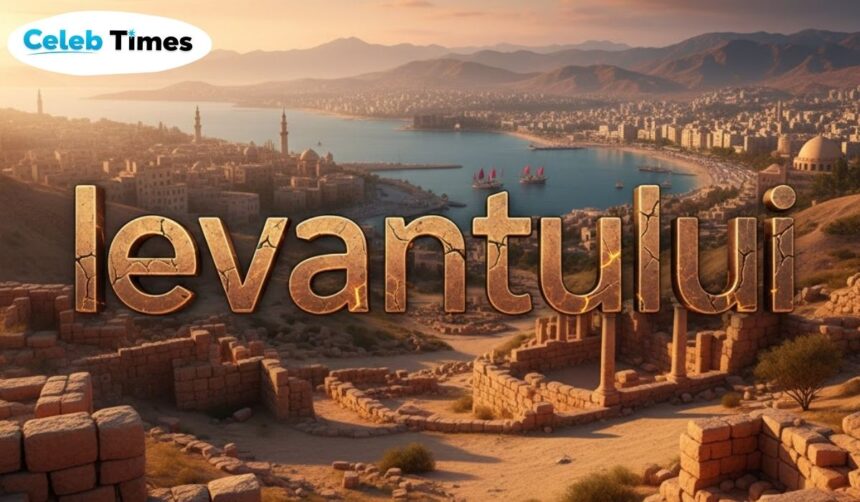
The historical concept of the levantului represents far more than a simple geographical designation on a map; it is a living bridge between the East and the West. Historically encompassing the eastern Mediterranean shores, this region has served as the ultimate crossroads for civilizations, religions, and trade for millennia. In 2026, the legacy of this area continues to influence global diplomacy, culinary arts, and architectural trends, proving that the roots of ancient connectivity are as relevant today as they were during the height of the Silk Road. Understanding the nuances of the levantului requires an appreciation for the layers of history left behind by the Phoenicians, Romans, Ottomans, and many others who called these sun-drenched coasts home.
- Ancient Trade Routes and Economic Foundations
- Architectural Evolution Across the Coastline
- Culinary Traditions and Global Influence
- Linguistic Diversity and the Power of Words
- Spiritual Crossroads and Religious Harmony
- The Impact of Modernization and Urban Planning
- Art and the Renaissance of Traditional Crafts
- Comparative Analysis of Regional Influence
- FAQs
- Conclusion
Ancient Trade Routes and Economic Foundations
The economic identity of the eastern Mediterranean was forged in the fire of early commerce. Long before modern logistics, the coastal cities served as the primary gateways for goods traveling from the deep interior of Asia toward the European markets. Spices, silks, and precious pigments were traded in bustling bazaars that defined the urban landscape. This mercantile spirit created a unique social class of polyglot traders who were as comfortable with different currencies as they were with diverse cultural norms.
By 2026, these historical economic foundations have evolved into modern hubs of energy and digital connectivity. The same ports that once hosted wooden galleons now manage massive container ships and undersea fiber-optic cables. However, the underlying principle remains the same: the region acts as a vital conduit for global stability. The wealth generated through these historic routes allowed for the flourishing of art and science, establishing a standard of living that made the coastal Levant a beacon of prosperity in the ancient world.
Architectural Evolution Across the Coastline
The skyline of the eastern Mediterranean is a physical timeline of human ambition. From the limestone ruins of Greco-Roman theaters to the intricate geometric patterns of Islamic palaces, the architecture reflects a constant dialogue between successive empires. Each layer was built upon the last, often repurposing ancient stones for new fortifications or places of worship. This “palimpsest” effect gives the cities a depth that is rare in the modern world, where the past is visible in every archway and cobblestone street.
In the current year, 2026, architectural preservation has taken a turn toward high-tech sustainability. New buildings in the region often incorporate ancient cooling techniques, such as wind towers and thick stone walls, to combat rising temperatures. This blend of traditional wisdom and futuristic design ensures that the aesthetic remains consistent with its heritage while meeting the needs of a growing population. The preservation of these sites is not just about tourism; it is about maintaining a sense of place in an increasingly homogenized global culture.
Culinary Traditions and Global Influence
Perhaps the most famous export of the eastern Mediterranean is its vibrant and health-conscious cuisine. Based on the “bounty of the earth,” the local diet emphasizes fresh vegetables, legumes, olive oil, and aromatic spices. This culinary tradition is a direct reflection of the fertile lands and the diverse groups of people who settled there. Each dish tells a story of migration, from the introduction of peppers from the New World to the refinement of grain-based recipes by local agrarian communities.
In 2026, the global “Mediterranean diet” continues to be the gold standard for longevity and wellness. Restaurants worldwide strive to replicate the authenticity of Levant flavors, utilizing ingredients like sumac, za’atar, and tahini. The communal nature of eating, where many small plates are shared among family and friends, highlights the social cohesion that defines the region. This food culture serves as a soft power, inviting the world to experience the warmth and hospitality that have been hallmarks of the levantului people for centuries.
Linguistic Diversity and the Power of Words
The linguistic landscape of the eastern Mediterranean is as varied as its terrain. For centuries, it was a place where Greek, Latin, Aramaic, Arabic, and Turkish coexisted and influenced one another. This melting pot of tongues led to the development of unique dialects and a rich oral tradition of poetry and storytelling. Language in this region is not just a tool for communication; it is a repository of history and a badge of identity that has survived numerous political shifts.
As we move through 2026, there is a renewed interest in preserving endangered dialects that link modern speakers to their ancestral roots. Digital archives and AI-driven translation tools are being used to document the subtle nuances of coastal languages that were once at risk of fading away. The literature emerging from this region today continues to tackle themes of exile, belonging, and the enduring human spirit, proving that the “voice” of the Levant remains a powerful force in world literature.
Spiritual Crossroads and Religious Harmony
The region has long been the spiritual heart of the world, serving as the birthplace or a significant center for the three major monotheistic religions. The geography itself is considered sacred, with mountains, rivers, and cities holding deep significance for billions of people. This concentration of faith has led to periods of both intense conflict and profound coexistence. The shared veneration of many holy sites has created a complex tapestry of interfaith relations that continues to evolve.
In 2026, the focus has shifted toward “interfaith tourism” and the preservation of shared sacred spaces. Efforts to restore ancient monasteries, synagogues, and mosques are often collaborative projects involving multiple communities. This spiritual heritage provides a moral compass for the region, emphasizing values of charity, pilgrimage, and the search for higher meaning. While the challenges of the past remain, the enduring presence of these religious landmarks serves as a reminder of the common threads that bind different faiths together.
The Impact of Modernization and Urban Planning
The 21st century brought rapid urbanization to the eastern Mediterranean, transforming ancient towns into sprawling metropolises. This growth has presented significant challenges, from traffic congestion to the loss of green spaces. However, the cities of the levantului have shown remarkable resilience, adapting their ancient cores to accommodate modern infrastructure. Smart city initiatives are now being implemented to manage resources more efficiently while protecting the historic character of the neighborhoods.
By 2026, urban planners are prioritizing “walkable cities” that mimic the density and social vibrancy of the traditional medina. By reducing car dependency and increasing public spaces, these cities are reclaiming their status as centers of social interaction. The tension between the old and the new is a constant theme in the region’s development, but the most successful projects are those that find a way to honor the historical layout while providing the digital connectivity required for a modern economy.
Art and the Renaissance of Traditional Crafts
The artisans of the eastern Mediterranean have been renowned for their skill in glassblowing, textile weaving, and pottery for thousands of years. These crafts were once the backbone of the local economy and are now seeing a massive resurgence. Young designers are taking traditional motifs and applying them to contemporary fashion and interior design, creating a “New Levant” aesthetic that is gaining international acclaim. This movement is helping to preserve skills that were on the verge of being lost to industrialization.
In 2026, the “maker movement” has revitalized small workshops in the old quarters of coastal cities. Utilizing platforms like social media and global e-commerce, these artisans can now reach a worldwide audience directly. This economic empowerment allows them to stay in their ancestral homes and continue their traditions. The art of the region remains a powerful medium for social commentary and cultural expression, bridging the gap between ancient techniques and modern sensibilities.
Comparative Analysis of Regional Influence
| Influence Category | Historical Impact | Modern Significance (2026) |
| Trade | Silk Road & Spice Routes | Digital Hubs & Energy Transit |
| Cuisine | Local Subsistence | Global Wellness Standard |
| Language | Lingua Franca of Empires | Digital Preservation of Dialects |
| Architecture | Monumental Stone Temples | Sustainable “Bio-Climatic” Design |
| Art | Royal Patronage of Crafts | Global E-commerce Artisan Growth |
FAQs
What is the historical significance of the levantului region? It served as the primary cultural and economic bridge between the East and West for millennia, facilitating the exchange of goods, ideas, and religions.
How has the cuisine of the Levant influenced the world? The focus on fresh, plant-based ingredients and olive oil has made it the foundation of the modern global wellness and healthy eating movement.
What are the main architectural features found in this area? The region is characterized by a “layering” of styles, including Roman arches, Ottoman domes, and modern sustainable designs that utilize ancient cooling techniques.
Is the region safe for cultural tourism in 2026? Yes, many areas have seen a surge in “slow tourism” and historical preservation projects, making it a top destination for those seeking authentic cultural experiences.
Conclusion
The story of the levantului is one of constant transformation and enduring strength. From the ancient mariners who first navigated its coast to the modern tech-savvy artisans of 2026, the region has remained a vital part of the global narrative. Its ability to absorb diverse influences and turn them into a cohesive cultural identity is a lesson in resilience. While the world around it changes, the fundamental values of the Levant—hospitality, trade, and a deep respect for history—continue to shine through.
As we look toward the future, the lessons learned from the levantului are more important than ever. In a world that often feels fragmented, the example of a region that has served as a crossroads for so long offers a blueprint for connectivity and coexistence. Whether through its food, its art, or its architecture, the influence of this sun-kissed coastline will continue to ripple across the globe for generations to come. The legacy of the eastern Mediterranean is not just found in its ruins, but in the living, breathing traditions that define its people today.